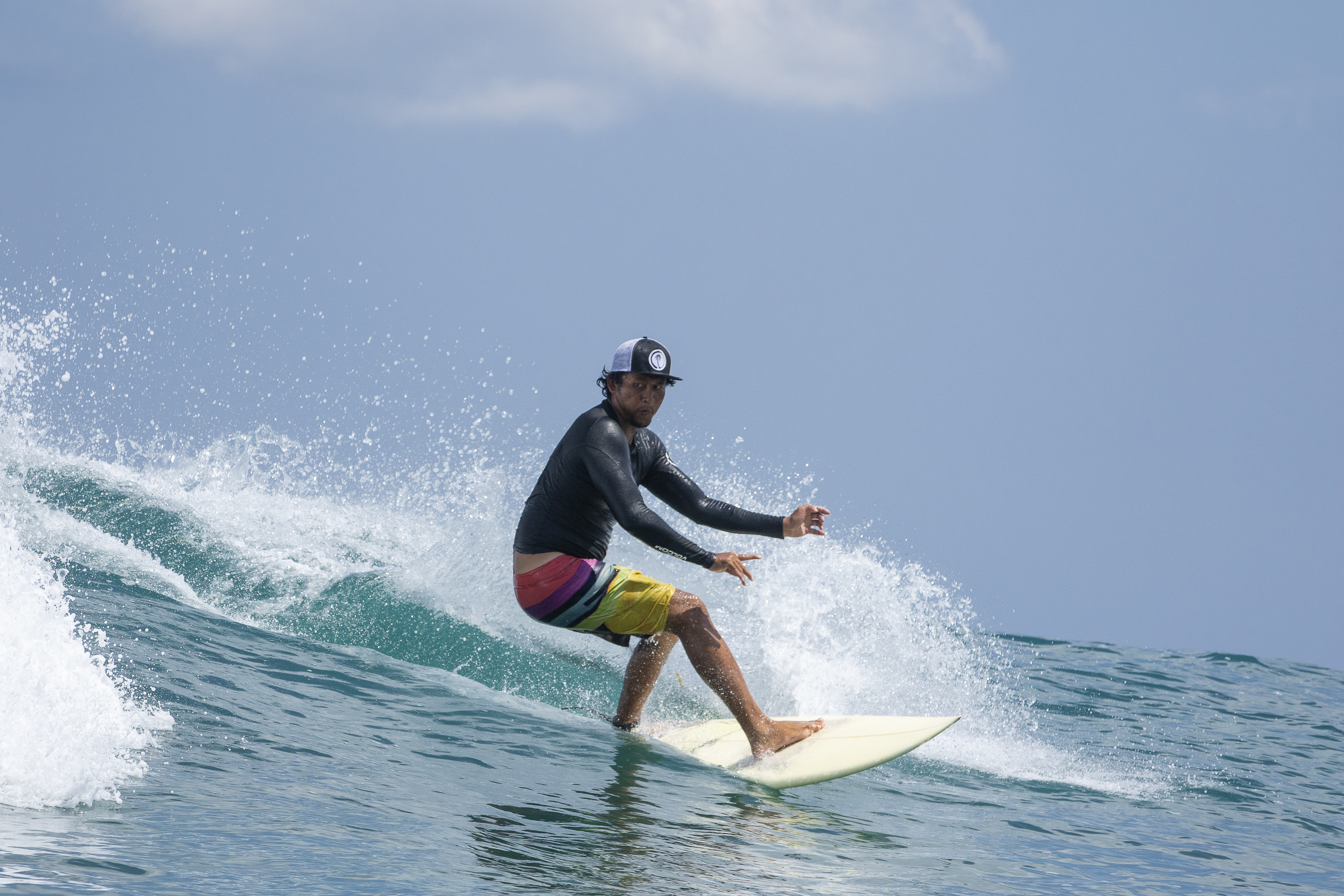
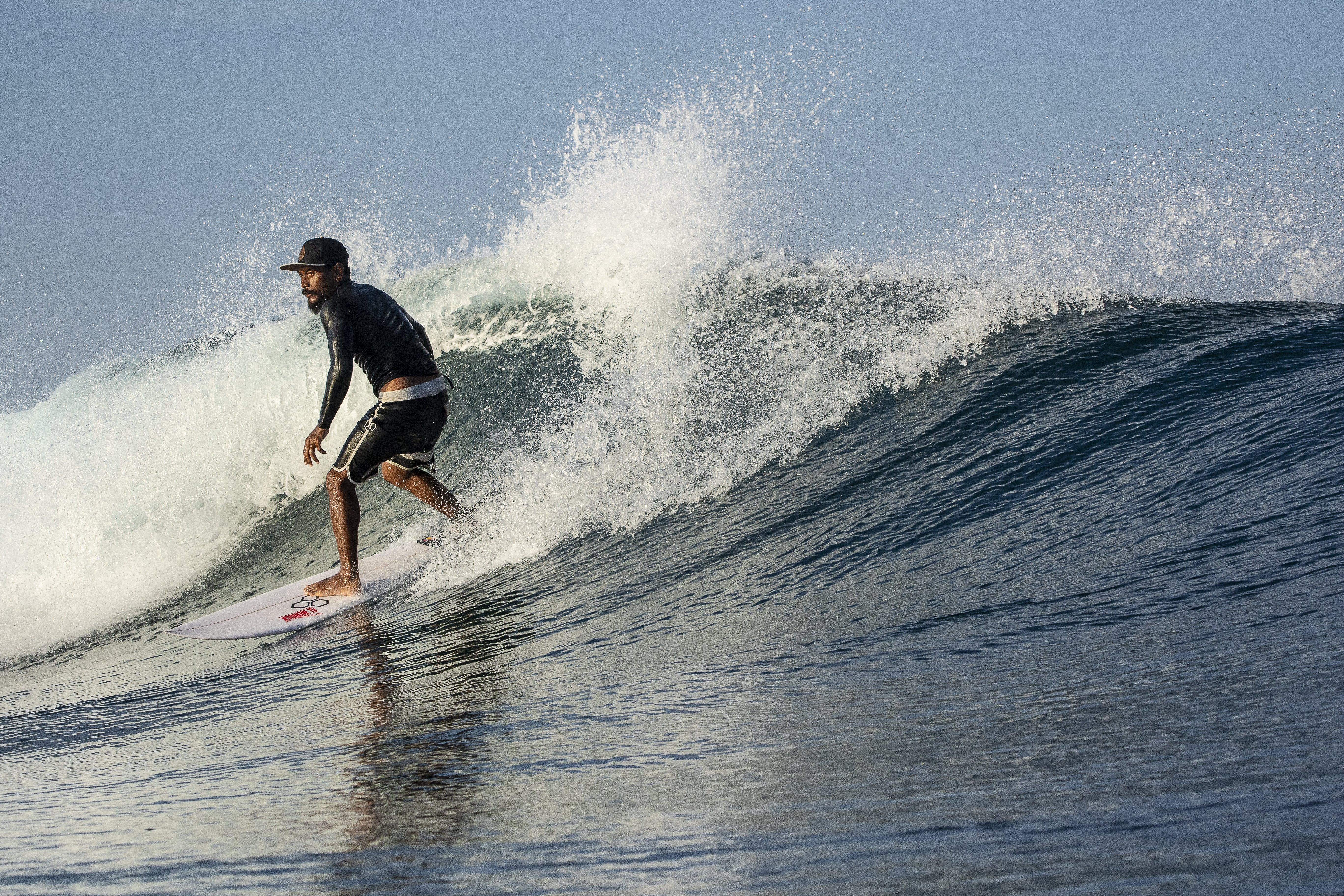
Surfing is not just about what you do on the board. Half the game is played before you even paddle for a wave — watching the horizon, reading the bumps, timing the sets. Experienced surfers make it look effortless because they have spent years decoding the ocean. The good news is that you do not need years. You need a framework.
Sets, Lulls, and Patience
Waves arrive in groups called sets, separated by quieter periods called lulls. A typical set at Kuta Reef might have three to five waves, followed by a lull of two to five minutes. Once you start counting, you will notice a rhythm. The last wave in a set is often the largest, but the first wave is usually the cleanest because no previous wave has disturbed the water in front of it. Understanding this rhythm lets you position yourself before the best wave arrives instead of scrambling after it.
Sit on your board for five minutes before you start paddling for waves. Count the number of waves per set and the length of each lull. This single habit will double the number of waves you catch.
The Peak and the Shoulder
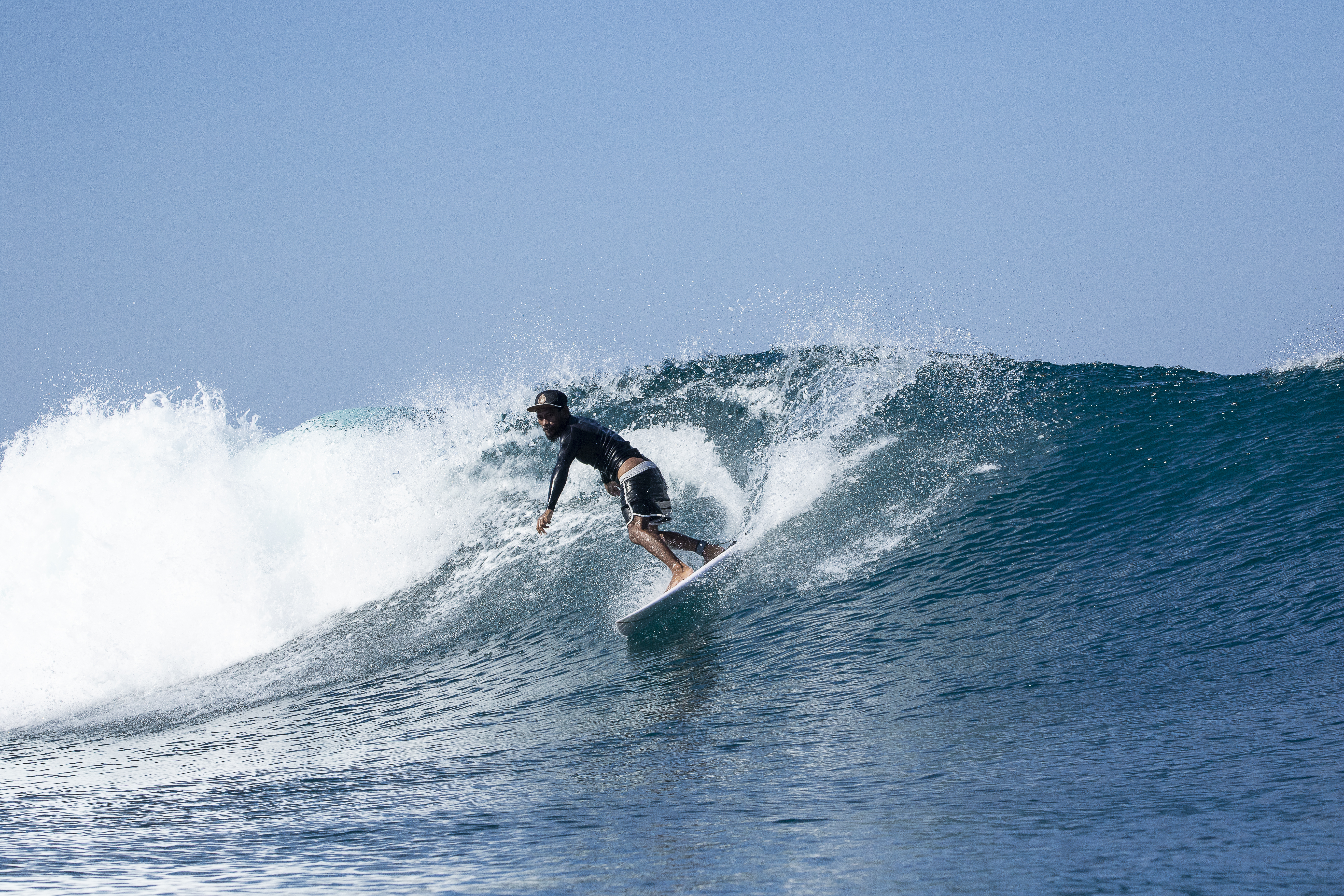
Every wave has a peak — the steepest part where it first begins to break — and a shoulder, where the unbroken face extends ahead of you. You want to catch the wave at or near the peak, then ride along the shoulder. If you paddle too far onto the shoulder, the wave will pass under you without breaking. If you are too far behind the peak, you will get caught in the whitewash. The sweet spot is right at the apex, angled slightly toward the shoulder so you can drop in and start generating speed immediately.
Reading the Bottom
Waves are shaped by what is beneath them. A sandy bottom creates shifting peaks that change with the tides. A reef or rock shelf creates consistent peaks that break in the same spot day after day. At Kuta Reef, the coral shelf means waves break predictably — once you find the takeoff zone, it stays roughly the same all session. This consistency is what makes reef breaks so satisfying to surf once you understand them.
Signs of a Good Wave
- A dark, smooth hump on the horizon moving toward you — this is a swell line
- The hump starts to steepen and develop a visible crest
- One end begins to feather or pitch before the rest — this is the peak
- The face ahead of the peak is clean and unbroken — this is your ride
- No other surfer is deeper (closer to the peak) than you
Wind and Surface Texture
Offshore wind — blowing from the land toward the sea — holds the wave face up and creates those beautiful, groomed walls you see in surf photos. Onshore wind pushes the wave over early, making it crumble and messy. Cross-shore wind creates a bumpy, unpredictable surface. When you check the forecast, glassy (no wind) or light offshore is what you are looking for. In Bali, early mornings are almost always glassy, which is why dawn patrol is a religion here.
The ocean is a book. Every ripple is a sentence. Once you learn to read it, you will never look at the sea the same way.
— Wayan, Bali Kami instructor